Honest Answers — PDR Guide
What Dents Can and Can’t Be Fixed with Paintless Dent Repair
PDR is one of the most misunderstood repair methods in the auto industry. People either think it can fix anything, or they’ve heard it only works on tiny door dings. The truth is more specific — and knowing where the line sits will save you time and money.
When PDR Works
PDR is the right approach when three conditions are met:
- The paint is intact. PDR works by manipulating metal from behind. If the paint hasn’t cracked or separated, the repair can be completely invisible.
- The metal isn’t cracked or over-stretched. When a dent is shallow enough that the metal flexed without tearing, it can usually be pushed back without thinning or cracking.
- Access exists from behind the panel. Most doors, hoods, fenders, and roof panels have enough access points. Pillars, some rocker panels, and double-skinned areas can limit what’s reachable.
Size matters less than shape. A large shallow dent on a flat hood can often be fully corrected. A small sharp crease on a character line can be much harder.
When PDR Doesn’t Work
- Paint is cracked or chipped. If the impact broke the paint, PDR alone won’t restore the finish. You’ll still need bodywork and paint on at least that area.
- Extreme creases on panel edges. Body lines and edges concentrate stress. A hard crease on a sharp edge often means the metal has stretched or micro-cracked at that point.
- Rust-through or corrosion underneath. Metal that’s been compromised by rust won’t respond predictably. Trying to push it risks further damage.
- Structural panels. A-pillars, B-pillars, frame rails, and rocker reinforcements are structural. Deforming and re-forming them requires a certified repair process — not PDR.
- No rear access. Some panels are sandwiched or closed-off. If there’s no path to work from behind, glue-pull PDR may be an option, but results depend on the severity.
Borderline Cases
Sharp creases along body lines
Vehicles designed with sharp character lines — like many German and Japanese sedans — make crease repair harder. The line itself is a stress concentrator. A crease that runs directly through a body line may only be 70–80% correctable with PDR, depending on the angle and depth.
High-strength steel panels
Modern vehicles use high-strength and ultra-high-strength steel in many structural areas to reduce weight while increasing crash performance. These materials are stiffer and more resistant to manipulation than conventional mild steel. Repairs in these areas take longer, require more pressure, and carry a higher risk that the metal won’t move cleanly.
Door edges
The folded edge of a door is one of the hardest spots to treat. The metal is thick, folded over, and there’s typically no rear access. Glue pull can help with shallow damage, but deep door-edge dents often require conventional repair.
Borderline dent? Send a photo — Joe will tell you what’s actually possible.
How to Tell From a Photo
When submitting photos for an estimate, here’s what actually tells the story:
- Angle the light. Reflected light reveals the shape of a dent far better than flat lighting. Shoot at a low angle with a bright sky or garage light in the background.
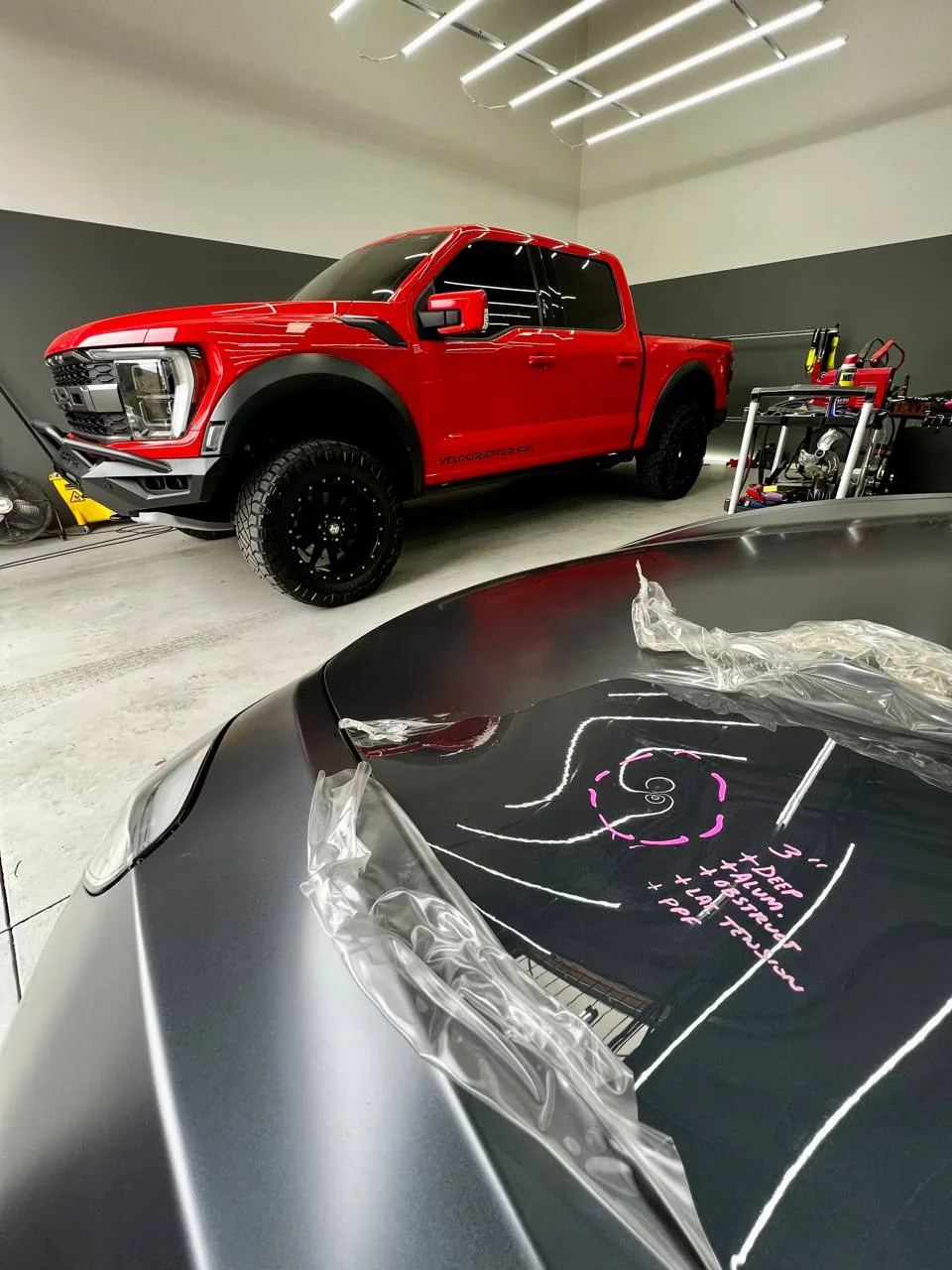
- Look for white lines in the reflection. If parallel lines appear wavy or kinked, that shows you where the deformation is. The sharper the kink, the more complex the repair.
- Check for paint color change. Any spot that looks lighter or duller than the surrounding surface may be cracked or stressed paint — even if it’s not obviously chipped.
- Show the edge. Get a photo looking down the length of the panel from a low angle. This makes creases visible that a top-down shot will miss.
What Happens If You Try PDR on a Non-Candidate Dent
This question deserves an honest answer. If a technician pushes metal that’s already stressed or micro-cracked, the paint can pop or spider-web at the stress point. In worst cases, attempting PDR on stretched metal leaves a high spot surrounded by low spots — harder to fix than the original dent.
A good PDR technician will tell you upfront when something isn’t a clean candidate. That’s not a sales pitch — it’s the job. Pushing metal that shouldn’t be pushed creates problems that now require body filler and paint to correct.
Frequently Asked Questions
My dent has a small scratch — can PDR fix it?
PDR fixes the dent. The scratch is a separate issue. If it’s a light surface scratch that hasn’t gone through the clear coat, paint correction may address it. If it’s through the paint, that area will need touch-up or spot paint work regardless of whether PDR corrects the dent itself.
The dent is really big — does that automatically rule out PDR?
Not automatically. A large, smooth, shallow dent on a flat panel — common with hail or minor parking lot impacts — is often an excellent PDR candidate. It’s the shape and depth that matter more than raw size.
Can PDR fix dents near the door edge or pillar?
Depends on the specifics. Near the door edge is difficult but sometimes workable from the front with glue pull. Pillar damage is almost always outside PDR territory and requires conventional bodywork.
What if I’ve already had the dent for a year — does that matter?
Time itself doesn’t change the metal. An old dent with intact paint is no harder to correct than a fresh one. What changes over time is rust risk — if moisture has gotten into any chips or cracks, the window for PDR closes faster.
Submit photos for a free estimate | Crease repair details | Advanced PDR work
PDR vs. Body Shop
Real Numbers: PDR vs. Body Shop Pricing
Same result. No paint. No Carfax record. See how we compare.
| Repair Type | Dent Evo PDR | Body Shop | You Save | Carfax Clean | Factory Paint | Same Day |
|---|---|---|---|---|---|---|
| Single Door Ding | $195 – $295 | $400 – $700 | ~$350+ | Yes | Yes | Yes |
| Minor Dent (1 panel) | $250 – $350 | $500 – $900 | ~$450+ | Yes | Yes | Yes |
| Body Line Crease | $400 – $700 | $800 – $1,500 | ~$700+ | Yes | Yes | Yes |
| Large Impact (1–2 panels) | $500 – $1,500 | $1,200 – $3,000 | ~$1,000+ | Yes | Yes | Yes |
| Moderate Hail Damage | $800 – $2,000 | $2,500 – $5,000 | ~$2,000+ | Yes | Yes | 2–3 days |
| Severe Hail / Multi-Panel | $2,000 – $4,000 | $5,000 – $12,000 | ~$5,000+ | Yes | Yes | Days |
Body shop estimates are market averages. PDR pricing varies by dent size and access. View full pricing guide → · Try the instant estimate tool →
In the Shop
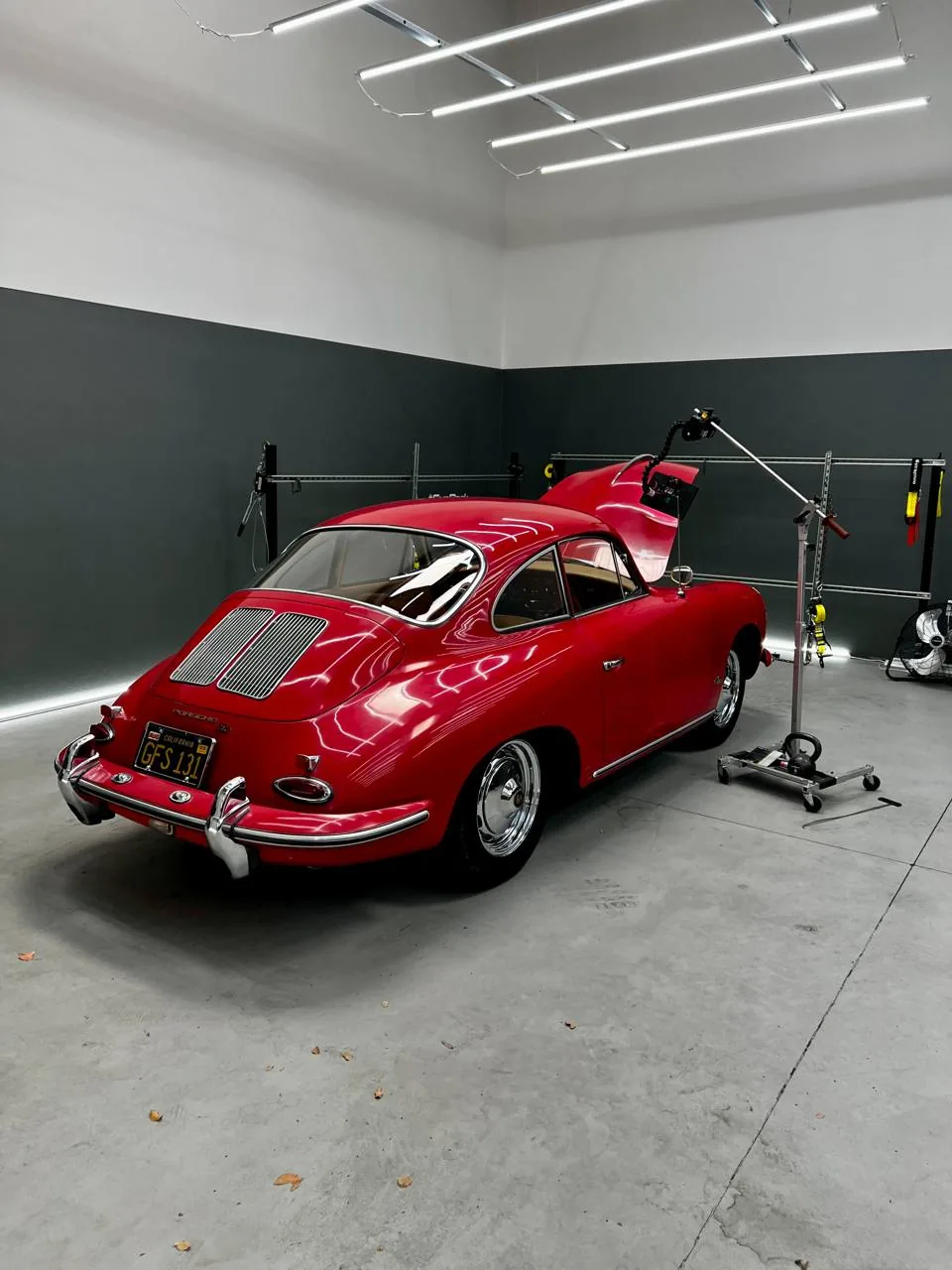
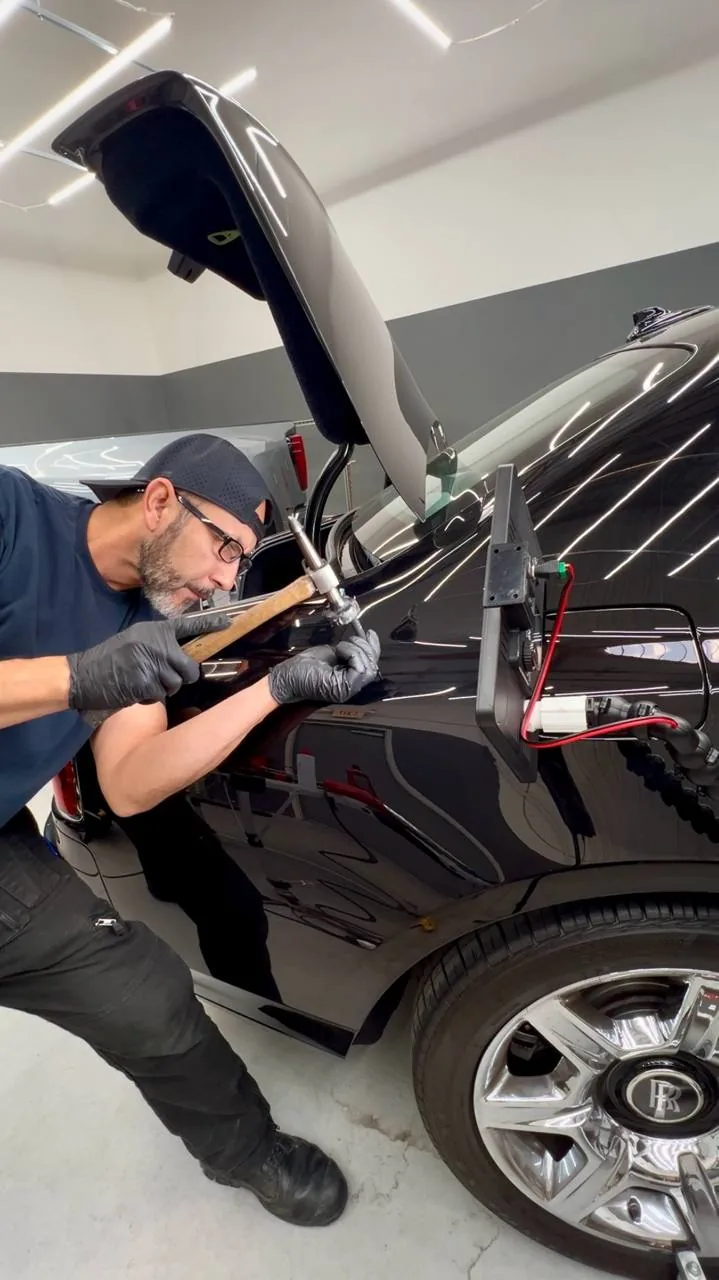
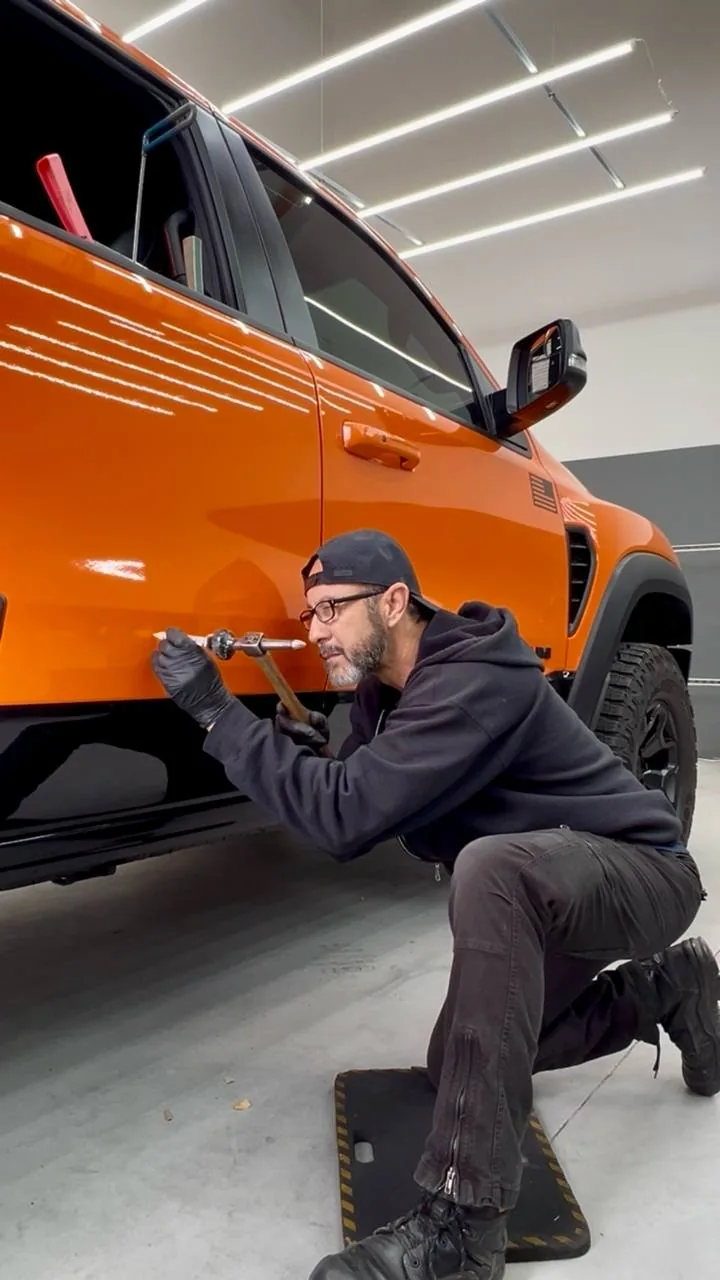
Real Vehicles. Real Repairs. Upland, CA.